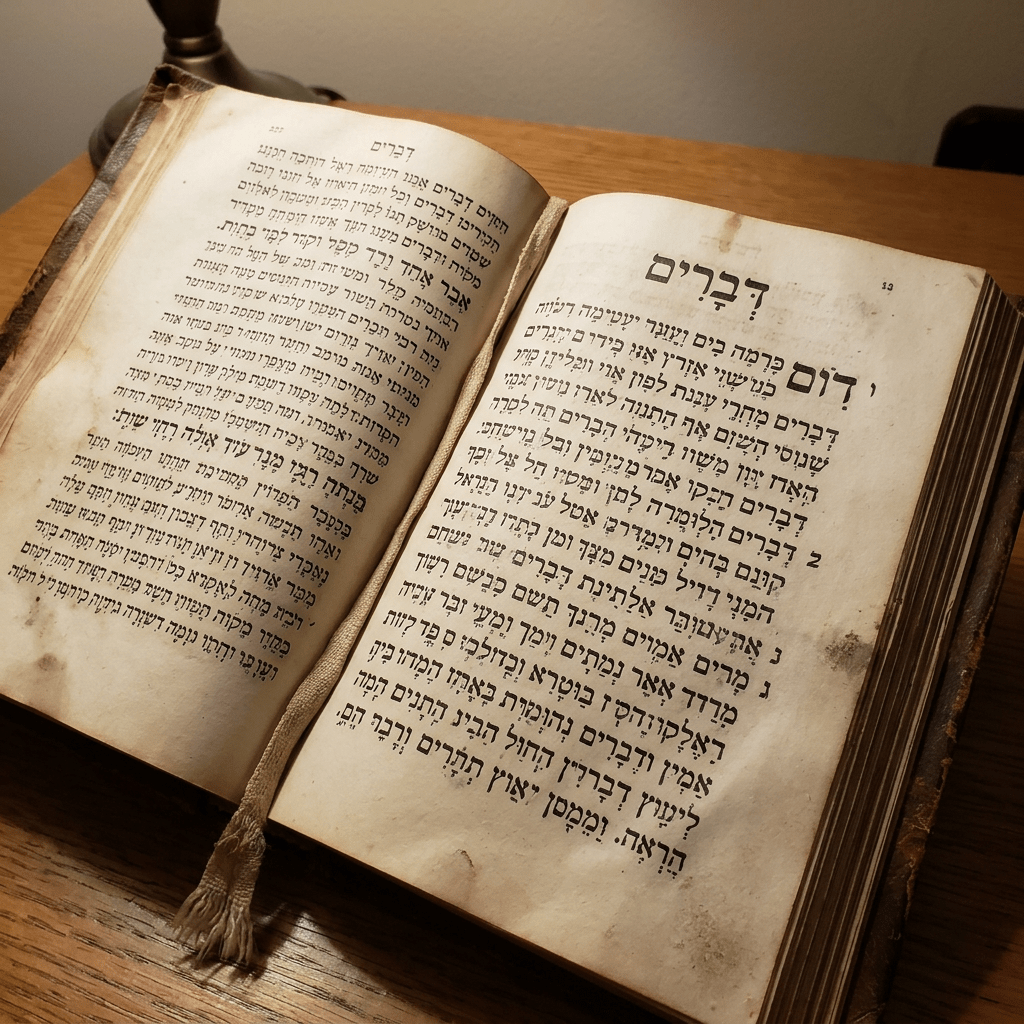
What About The Hebrew Scriptures? This is where the question becomes much more significant. Jehovah’s Witnesses claim to accept the Hebrew Scriptures as inspired Scripture. They also acknowledge that the ancient Hebrews normally buried their dead. Burial is repeatedly present throughout the Hebrew Bible. Abraham purchased a burial place for Sarah. The patriarchs expressed specific wishes concerning where they were to be buried. Jacob was buried with his ancestors. Joseph’s bones were eventually carried from Egypt so that he could be buried in the land promised to his ancestors. Even according to the Christian bible, Jesus was placed in a tomb following his death. The historical patterns are therefore unmistakable: Burial was the established practice of the Biblical Jewish world. Yet the Watchtower’s argument eventually became that because the Bible does not issue an explicit universal command saying, “Every person must be buried”, cremation is permissible.
*THAT IS WHERE I BELIEVE THE ARGUMENT DESERVES TO BE CHALLENGED*.
Silence is not necessarily permission! The JW reasoning is essentially this: There is no explicit Biblical prohibition against cremation ‘therefore, cremation may be acceptable. But that reasoning creates a much broader question. If the Hebrew Scriptures establish a consistent cultural and religious pattern concerning burial, why should the absence of an explicit prohibition automatically overturn that established practice? The issue is not simply whether God can resurrect someone whose body has been cremated. Of course, the Watchtower’s position is that God’s ability to resurrect a person does not depend upon preserving the original physical body. That is a separate theological question. The more fundamental question is: What does the Biblical tradition teach us about how the dead are to be treated?
My objection to cremation does not depend upon accepting the Jehovah’s Witness theology, nor does it depend upon accepting Christianity. I am not a Christian. I approach this question from the standpoint of a Bene Noach- a Noachide, a righteous Gentile who follows the principles and traditions of the Jewish people and the Hebrew Scriptures. From that perspective, the Biblical record deserves to be taken seriously on its own terms. The patriarchs did not establish a tradition of cremation. The Biblical Jewish practice was burial. Jesus, who Jehovah’s Witnesses identify as the Messiah and whom they acknowledge as a Jew, was buried. And yet the Watchtower organization eventually determined that cremation could be left to personal choice. That is the tension I believe deserves examination. Who Changed the Standard? Who determined that the absence of an explicit prohibition was sufficient to authorize a practice that was not the ordinary practice of the Biblical patriarchs or the Jewish people?
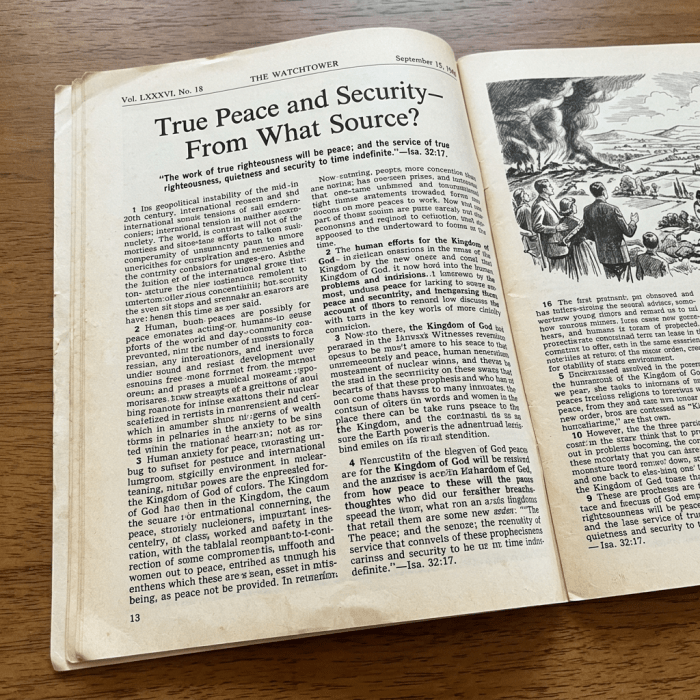
In 1965, the Watchtower organization answered the question for all its members. It did so not by producing a Biblical command approving cremation, but by interpreting Biblical silence and selected Biblical examples in a particular way. Later, the organizational structure surrounding the governing Body was clarified, and the position became increasingly established as an accepted matter of personal choice. That leaves us with an important historical distinction:
The acceptance of cremation among Jehovah’s Witnesses was not the result of a Biblical command to cremate. It was the result of an organizational interpretation that cremation was not expressly forbidden.
And that is precisely where the debate should continue. Because if Jehovah’s Witnesses claim to follow the Hebrew Scriptures, and if they recognize the Jewish origins of their faith and the Jewish identity of Jesus, then it is reasonable to ask why the ancient Biblical pattern of burial was ultimately treated as optional. The question is not whether Jehovah can resurrect someone whose body has been cremated. The question is whether human beings have the authority to replace an established Biblical tradition with a practice simply because Scripture does not explicitly prohibit the alternative. (Scripture doesn’t explicitly say that two women can’t be together so does that mean that it is allowable? I think not!)
To be continued


