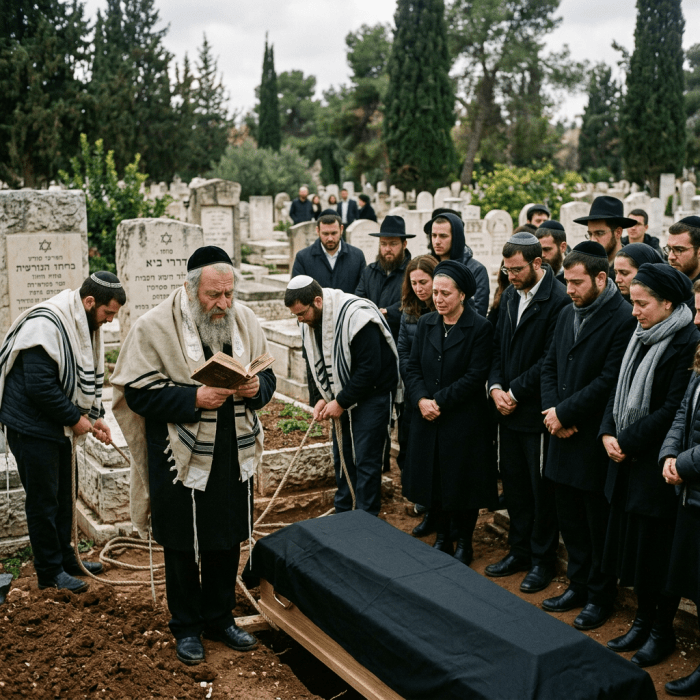
Throughout the Hebrew Bible, burial is presented as the normal and honorable treatment of the dead. One of the clearest commandments appears in Deuteronomy 21, 22-23, where God requires that even an executed criminal be buried the same day so that the land would not be defiled. If burial was required even for one under judgment, it underscores the importance attached to burial. The patriarchs consistently buried their dead. Abraham buried Sarah, Isaac and Ishmael buried Abraham, Jacob buried Rachel, Joseph’s bones were carried for burial in the promised land. They clearly had access to fire, yet they never chose cremation. They chose burial, generation after generation. Likewise, the prophets portray proper burial as an honor and the denial of it as a disgrace.
As this series has focused on the testimony of the Torah and the Tanakh, it is important to acknowledge that traditional Judaism has also long regarded burial as carrying profound spiritual significance. Many rabbinic authorities have historically rejected cremation, and some streams of Jewish thought teach that cremation has spiritual consequences. A careful study of those teachings deserves its own space and further discussion and will be the subject of a future article.
Why the Torah and Tanakh Matter in This Discussion
Before examining cremation, it is important to clarify what is meant by the terms Torah and Tanakh, particularly for readers who may be unfamiliar with Jewish terminology. The Torah refers specifically to the first five books of the Hebrew Scriptures: Genesis, Exodus, Leviticus, Numbers, and Deuteronomy. Theses books contain the foundational laws, commandments, narratives, and teachings given to Israel. The Tanakh is the broader collection of the Hebrew Scriptures. The word is derived from the three traditional divisions of the Hebrew Bible: Torah (Teaching), Nevi’im (Prophets), and Ketuvim (Writings). What Christians commonly call the “Old Testament” substantially corresponds to these Hebrew Scriptures, although the ordering and traditional arrangement differ.
This distinction is important when discussing the beliefs of Jehovah’s Witnesses. Jehovah’s Witnesses base their religious teachings on their interpretation of the Bible, including the Hebrew Scriptures. Their publications frequently appeal to passages from Genesis, Exodus, Deuteronomy, the Prophets, and the Writings when explaining their beliefs. Therefore, the question in this discussion is not whether the JW organization has issued a publication permitting cremation. The more fundamental question is: “What do the Hebrew Scriptures themselves teach about the treatment of the dead?” If the Torah and Tanakh are the scriptural foundation from which these beliefs are supposedly derived, the those texts should be examined directly rather than allowing a later religious organization to determine their meaning without scrutiny. For that reason, this discussion will rely on the Torah and Tanakh themselves when examining the biblical pattern of burial. The purpose is not to appeal to later Christian writings or denominational tradition, but to examine what the Hebrew Scriptures actually record concerning burial, the treatment of the dead, and the honor given to the human body after death. The argument can therefore be tested directly against the Hebrew Scriptures themselves.
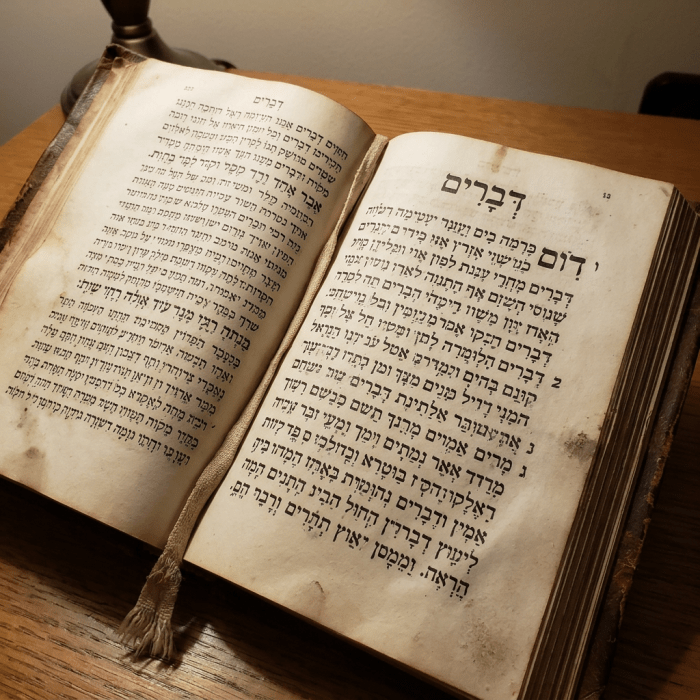
The Jehovah’s Witness argument places significant weight on what Scripture does not explicitly prohibit, however, a Torah centered argument instead asks what Scripture positively demonstrates and commands. The Tanakh repeatedly presents burial as the normal treatment of the dead. The patriarchs deliberately arrange burials. Ancestral burial places carry importance. Joseph’s bones are preserved and transported because of his expressed desire concerning his eventual burial. And Deuteronomy contains an explicit command that a corpse be buried rather than left exposed. Consequently, one does not have to claim that the Torah contains a sentence reading, “Cremation is forbidden,” in order to make a serious biblical argument for burial. The argument is that God established burial as the consistent biblical pattern and directly commanded burial in at east on circumstance concerning the treatment of a dead body.
Conclusion
The question of cremation should therefore be approached from the biblical record itself rather than from modern cultural preferences. The Torah and Tanakh repeatedly demonstrate burial as the honorable and established treatment of the dead. Abraham purchased a burial site for Sarah. The patriarchs were buried with their ancestors. Jacob carefully instructed his sons concerning his burial. Joseph required that his bones be carried from Egypt, and they were buried in the land of Israel. Biblical silence should not automatically override a consistent divine pattern. The issue is therefore not simply if the Torah say the words “do not cremate”, the question is, “what practice does the Torah and Tanakh consistently establish for the treatment of the human dead?. The answer presented by the biblical record is BURIAL. For those who regard the Torah and Tanah as authoritative revelation from God, that pattern deserves serious weight. Burial is not merely an ancient custom repeated by the patriarchs, it is the practice repeatedly demonstrated throughout the Hebrew Scriptures and directly commanded in the Torah in the context of a deceased person’s body. That provides a substantial biblical basis for rejecting the idea that burial and cremation should automatically be regarded as equally acceptable choices.
In the end, we’re left with God’s own words: “For dust you are, and to dust you shall return”. Genesis 3:19.
May those words, simple and timeless, weigh heavily than passing opinions as each reader considers what faithfulness requires.


